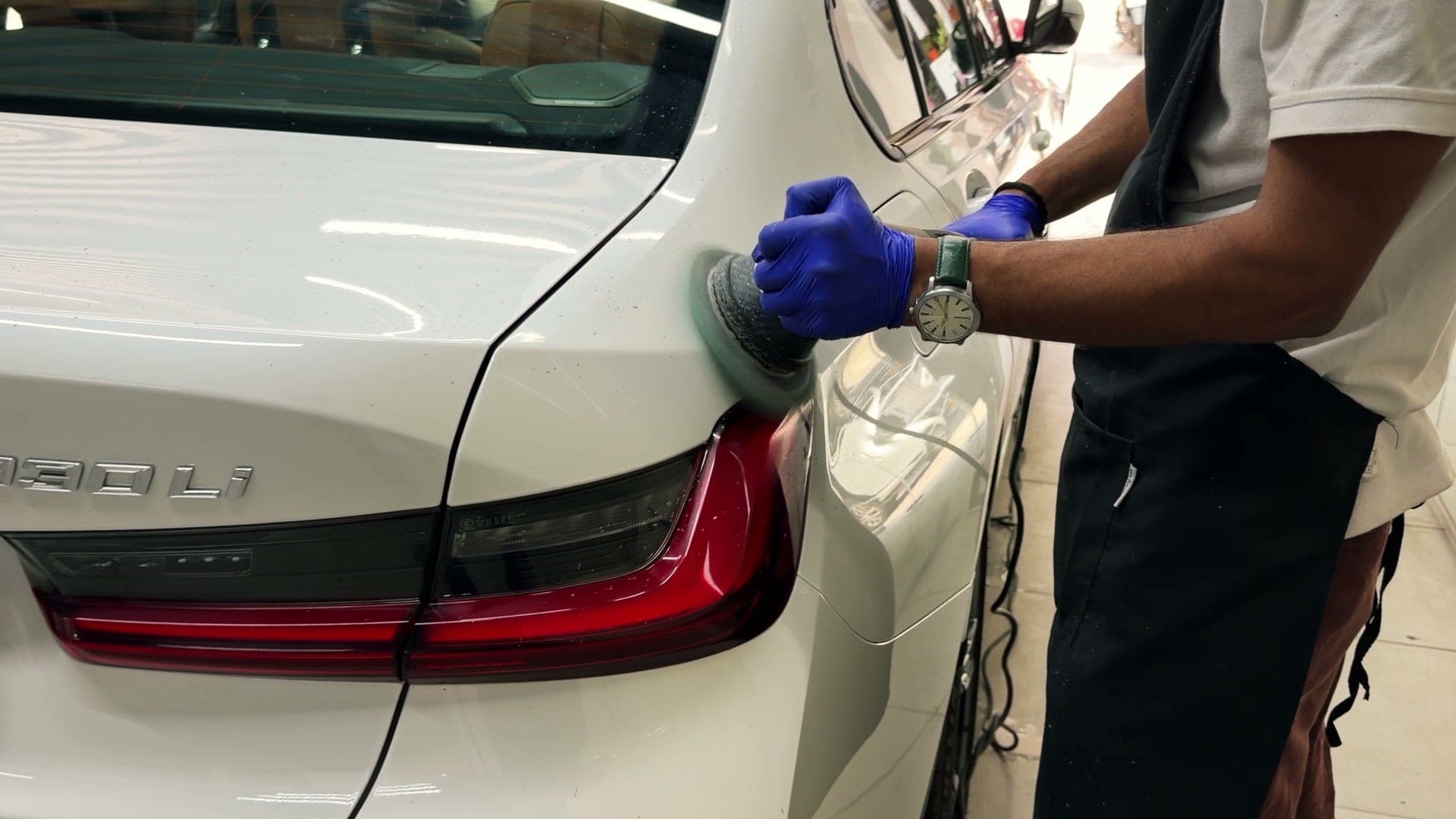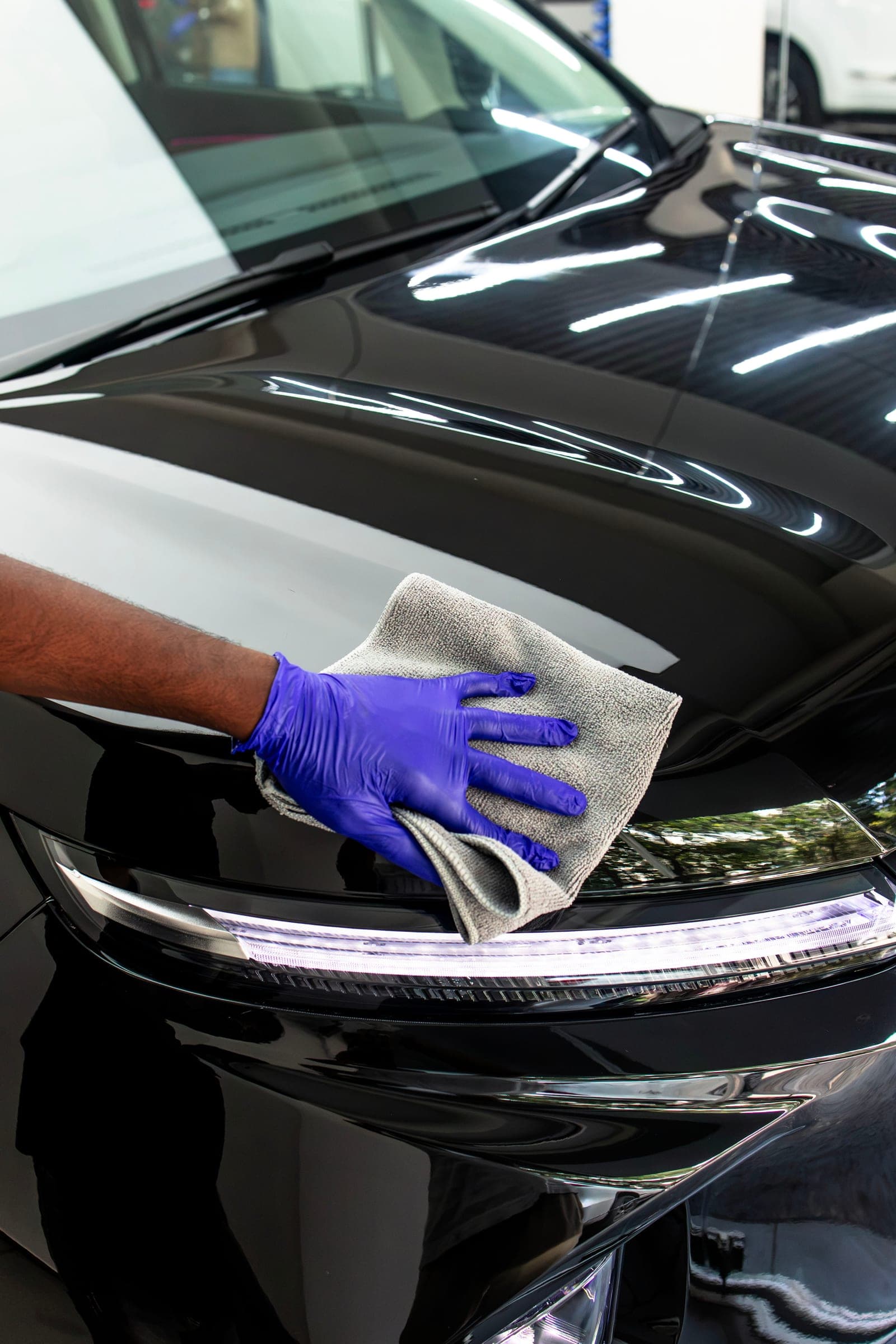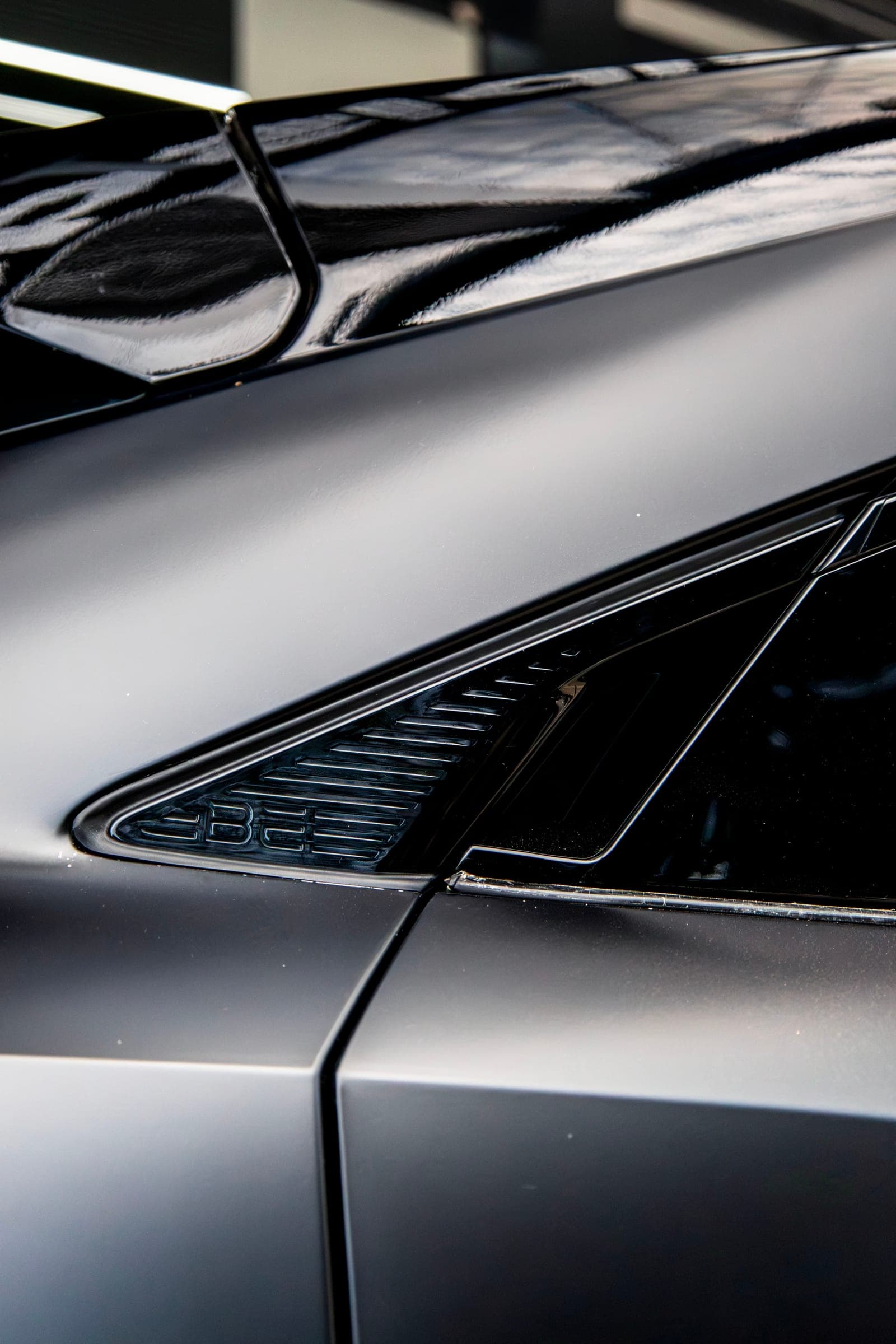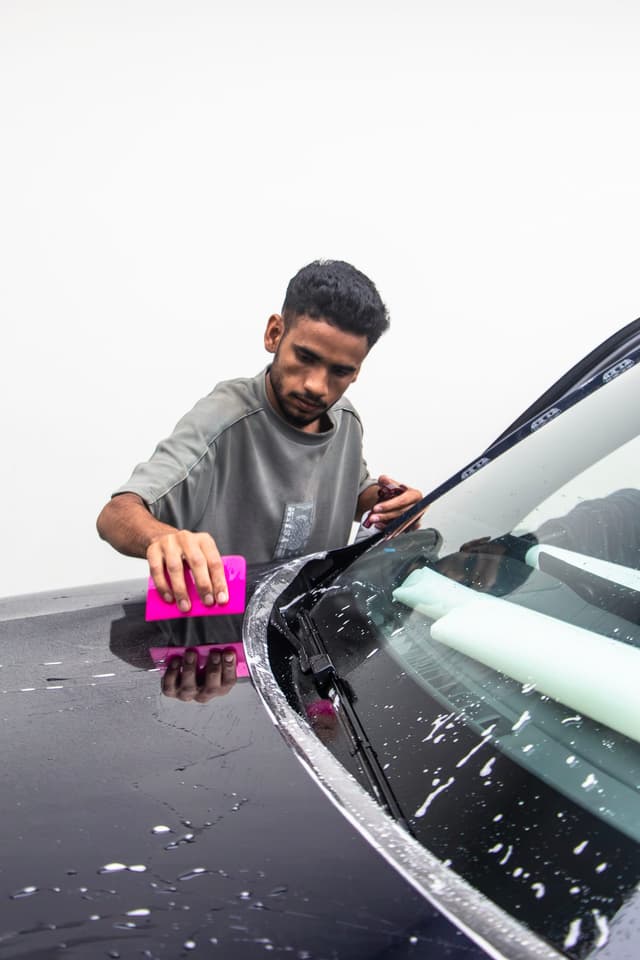
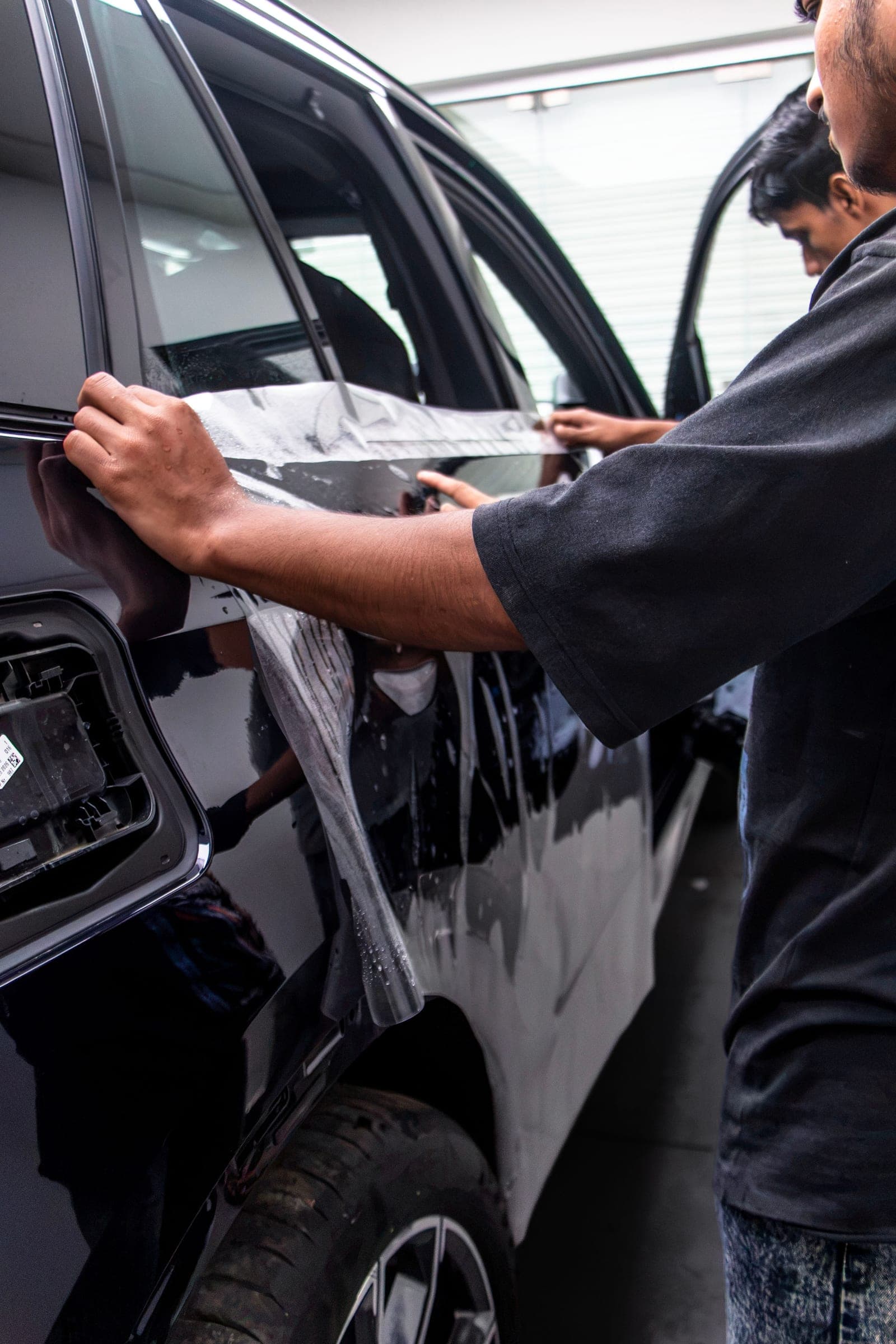
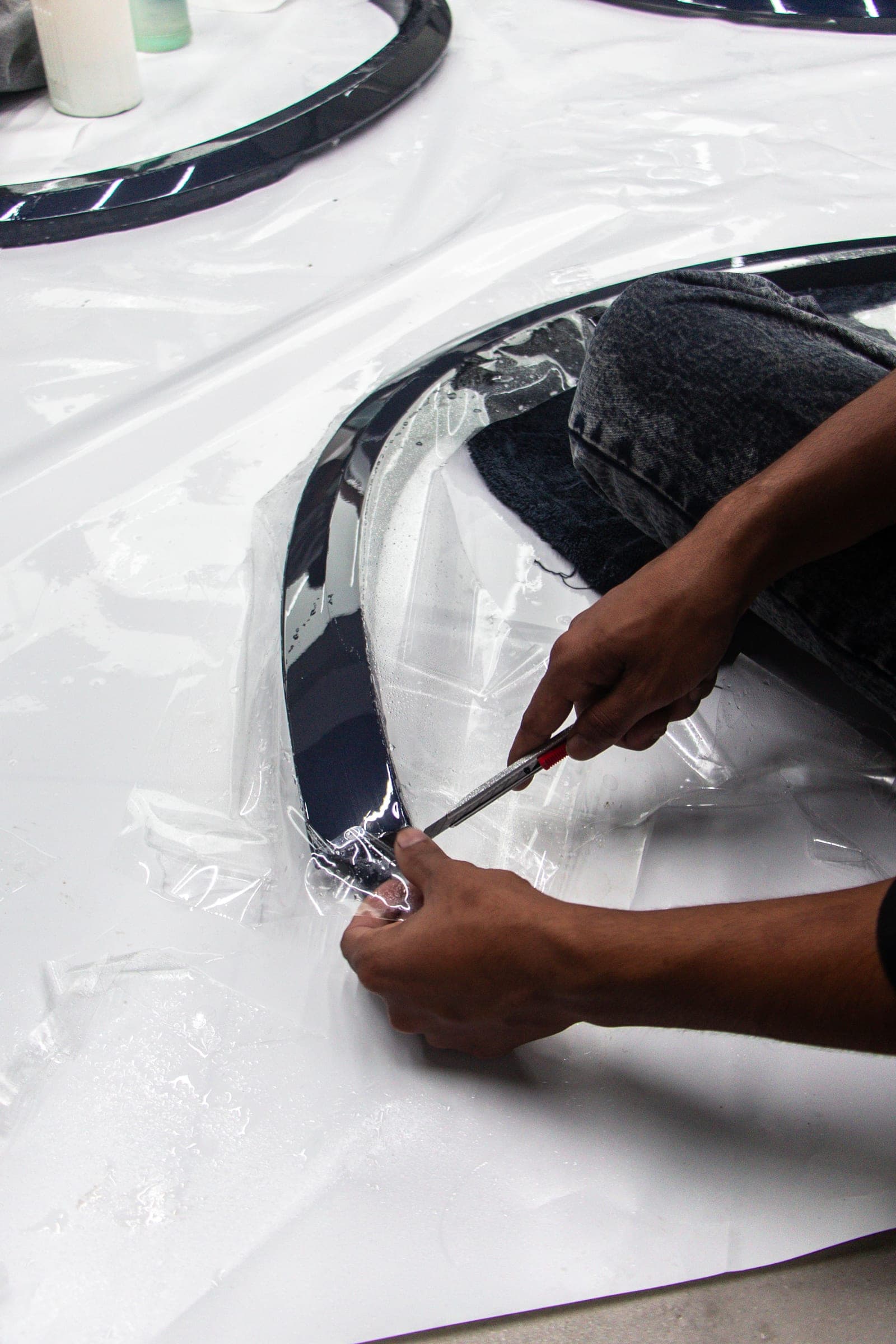
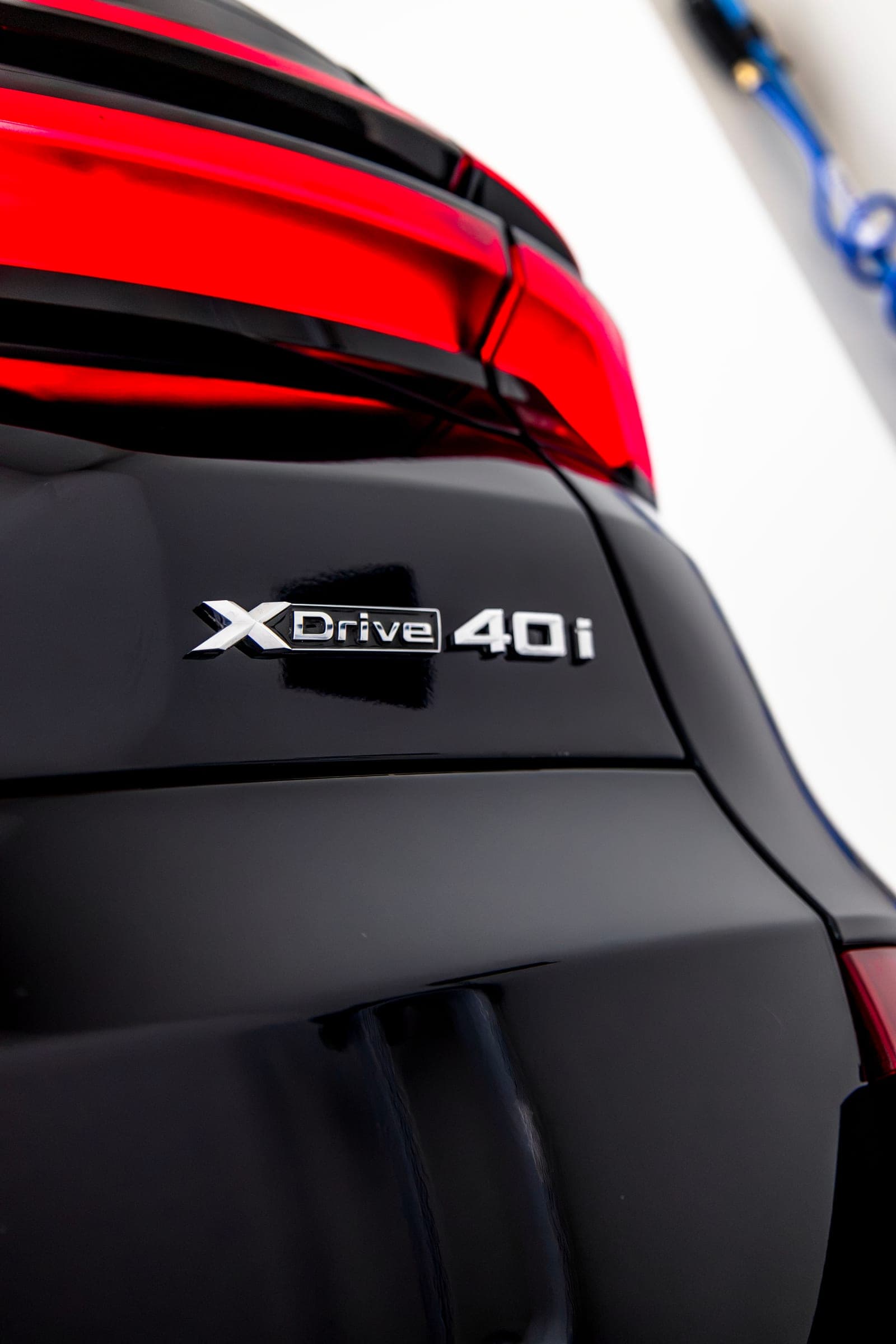
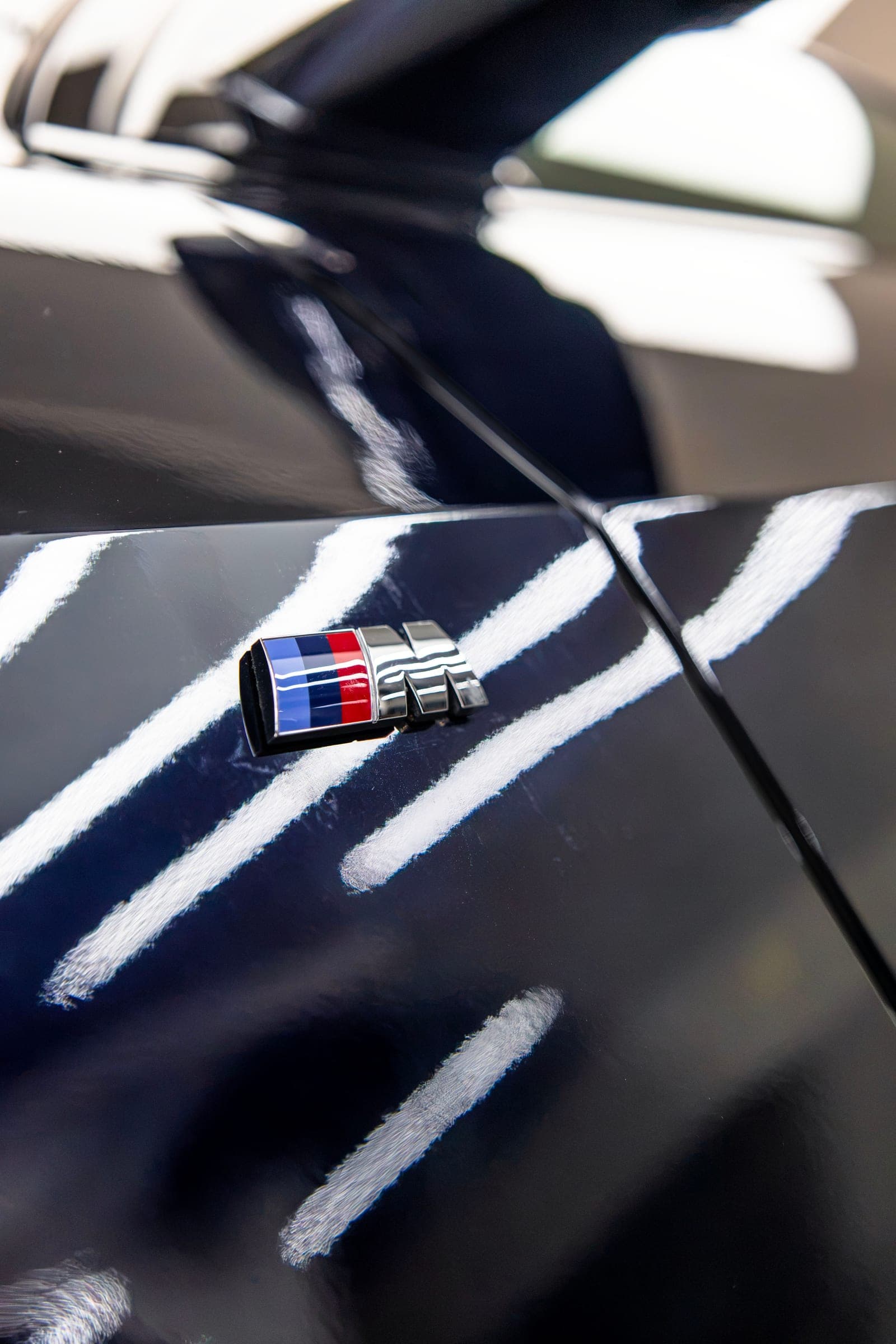
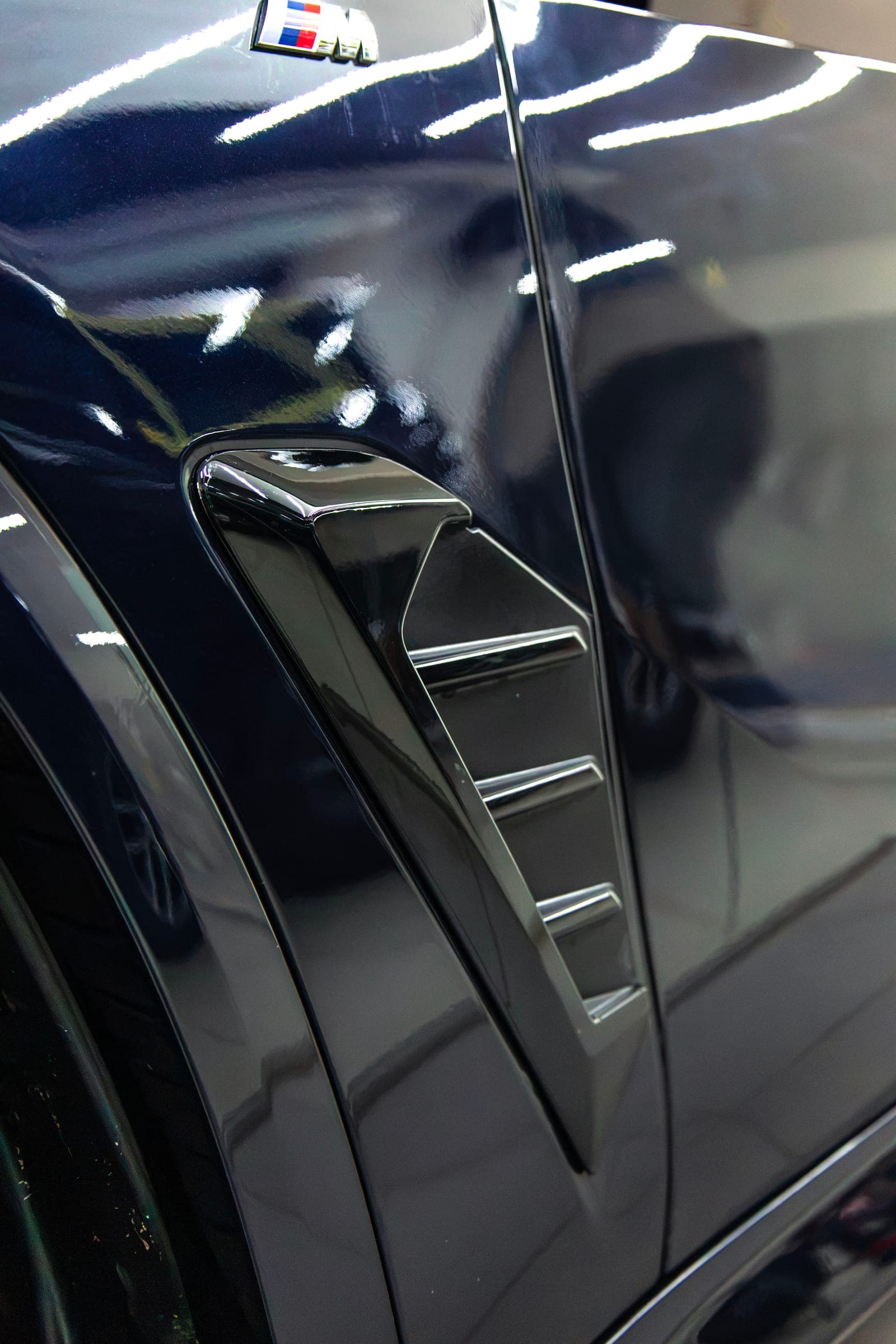
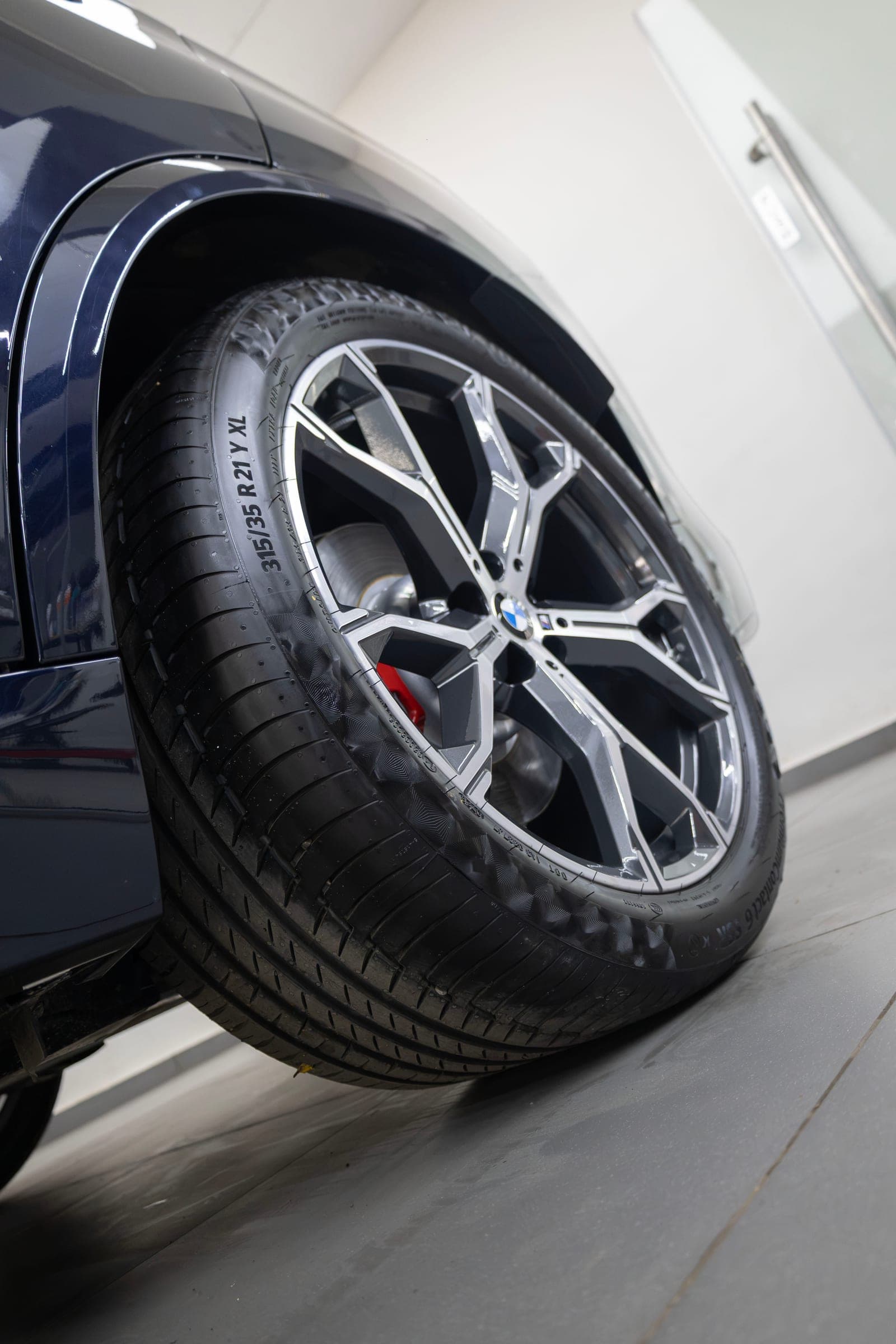
Full Front
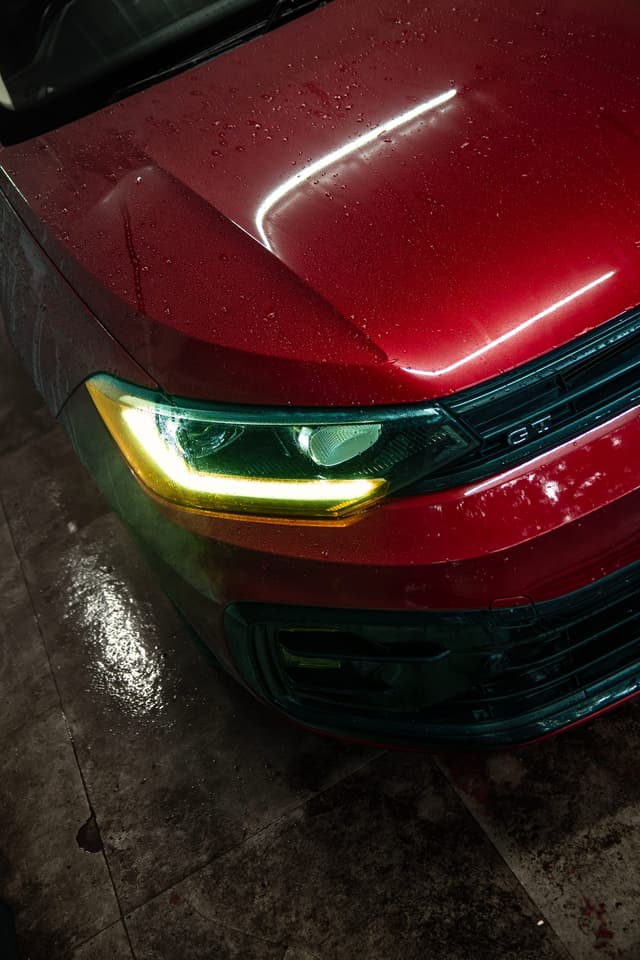
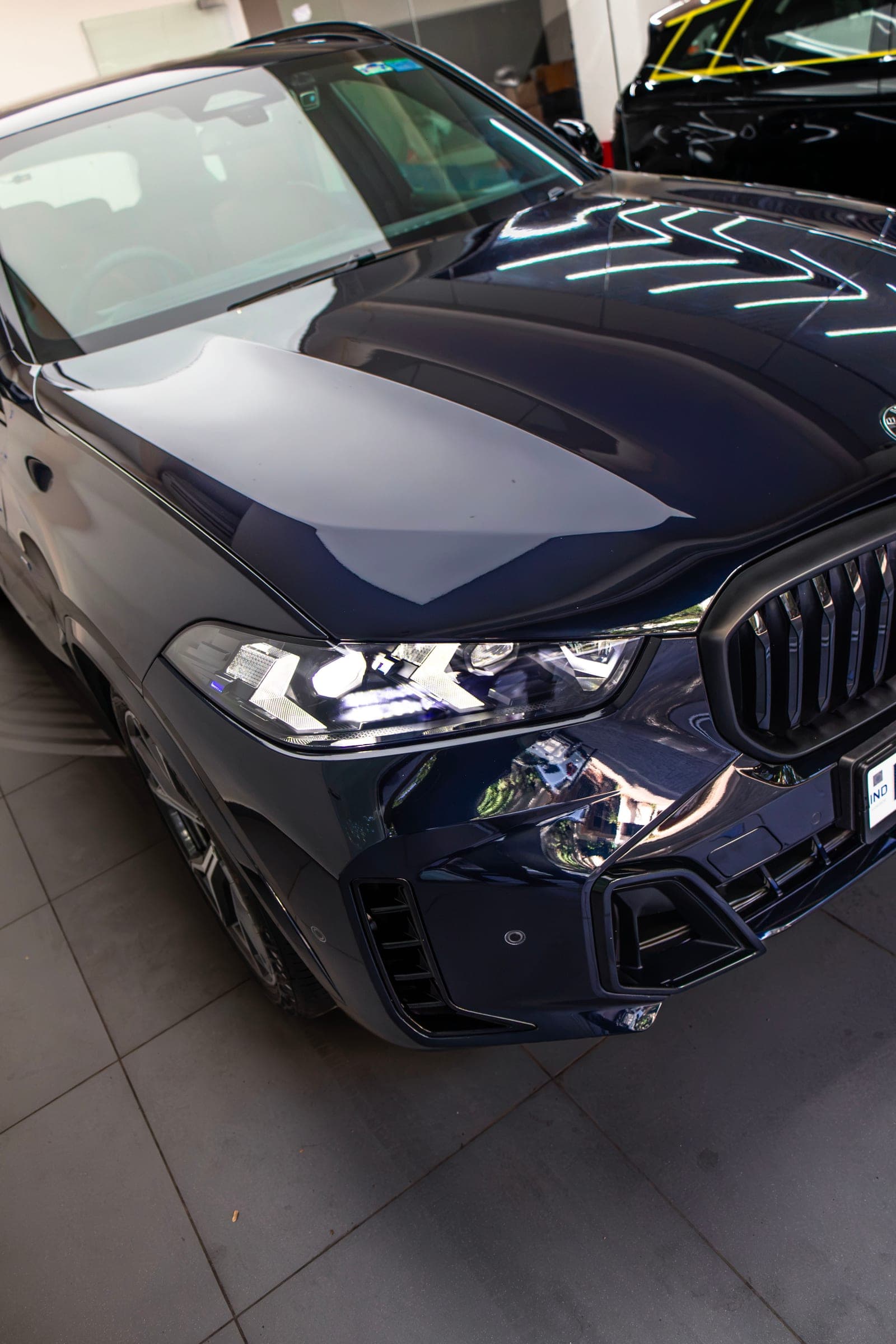
Front bumper, full bonnet, front wings, mirrors and the other high-impact front surfaces of the car.
A sacrificial layer engineered to take road wear before your paint does. Selected and pre-cut for the vehicle, applied in a controlled bay, and finished around the geometry of the car.
Film brands we work with
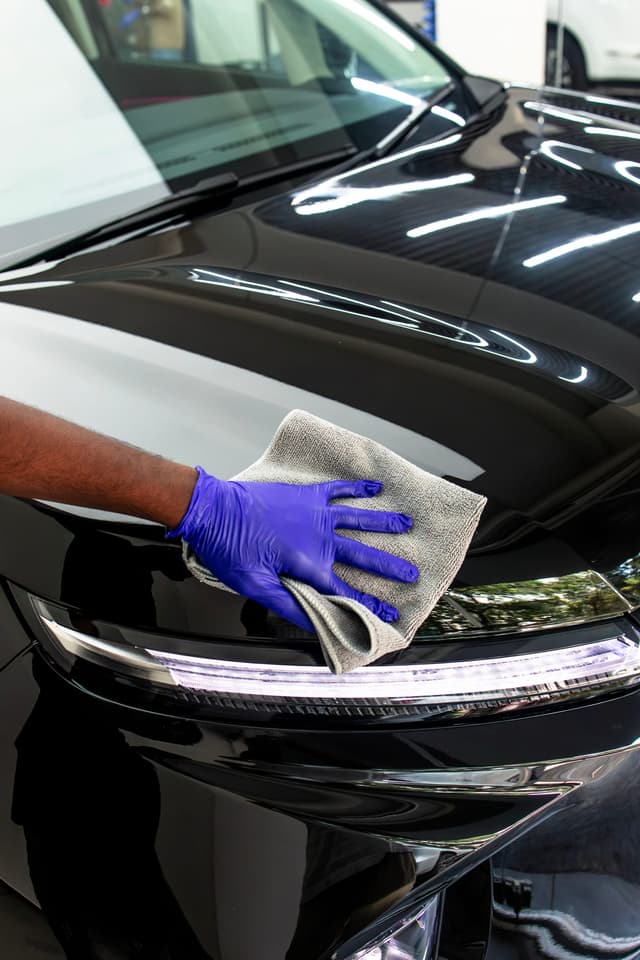
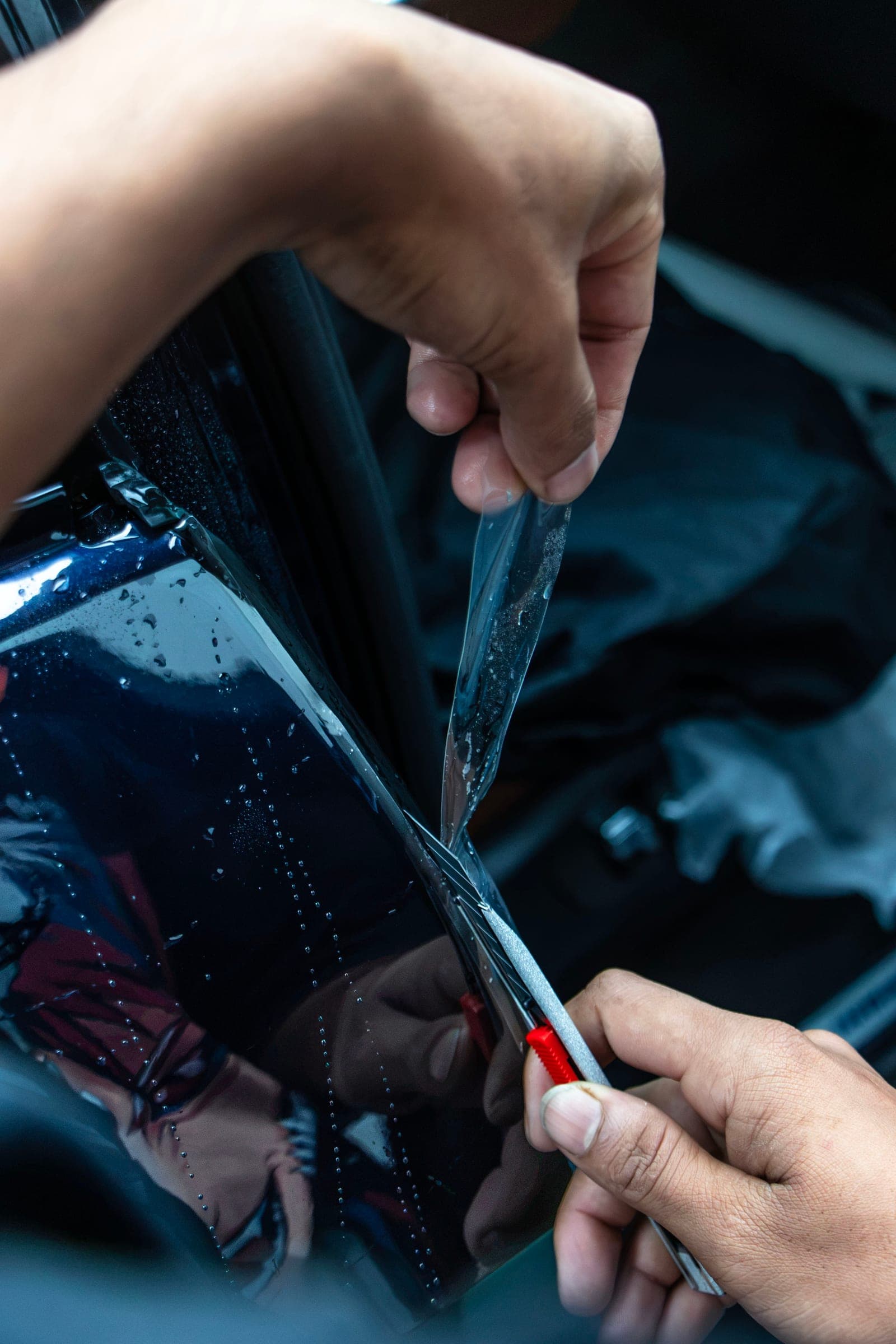
Paint Protection Film is a transparent polyurethane system bonded over painted and other suitable smooth surfaces. Its job is to take the abrasion, impact and contamination that would otherwise reach the finish beneath it.
Expressways, construction dust and monsoon grit wear hardest on the bumper, bonnet edge and mirrors. Film reduces the likelihood and severity of stone chips, light scuffs, wash marring, insect and road fallout damage. It is not an impact-proof shell: a severe enough strike can still damage the film and the paint underneath. Its value is a replaceable, sacrificial outer surface.
Modern premium PPF is a layered material, and the installation is only one part of the result. Exact construction varies by manufacturer, but three layers matter most.
180, 190 or 200 microns tells you how thick a film is. It doesn't tell you how clear it is, how the top coat resists staining, how the adhesive behaves, how the film responds to stretch, or how well it will age on a particular car.
We evaluate film as a system: optical quality, top-coat performance, polyurethane formulation, adhesive behaviour, elongation, finish, warranty terms and how the material behaves during installation. Thickness is one engineering parameter, not a quality ranking.
New or well-kept cars, frequent expressway use, sensitive or expensive paint, performance cars with high-impact bodywork, and owners who want to keep the original finish rather than repaint panels later.
Poor repairs, unstable repaint work or deep existing damage, which film would simply preserve. If the goal is only gloss, chemical resistance and easier washing, a ceramic coating may be the better-value answer.
Inspect
Paint assessed under controlled light: chips, sanding marks, previous repairs and vulnerable surfaces noted, and paint depth measured where appropriate. Repainted or smart-repaired panels are documented, because removal risk differs from sound factory paint.
PPF can conform to complex shapes, but excessive stretch changes how material is distributed across a panel and can increase tension around recesses, curves and edges.
So pattern design, anchor points and stretch direction are planned to let the film conform to the car, rather than forcing the film across it.
Invisible installation doesn't mean wrapping every edge at any cost.
Where a panel allows enough adhesive contact and the edge can be finished without unnecessary tension, the film is extended and wrapped. On unsuitable edges, tight returns or areas prone to contamination, a controlled visible termination can be the more durable solution.
The priority is long-term stability, clean geometry and safe installation, not a blanket promise that every edge will be hidden.
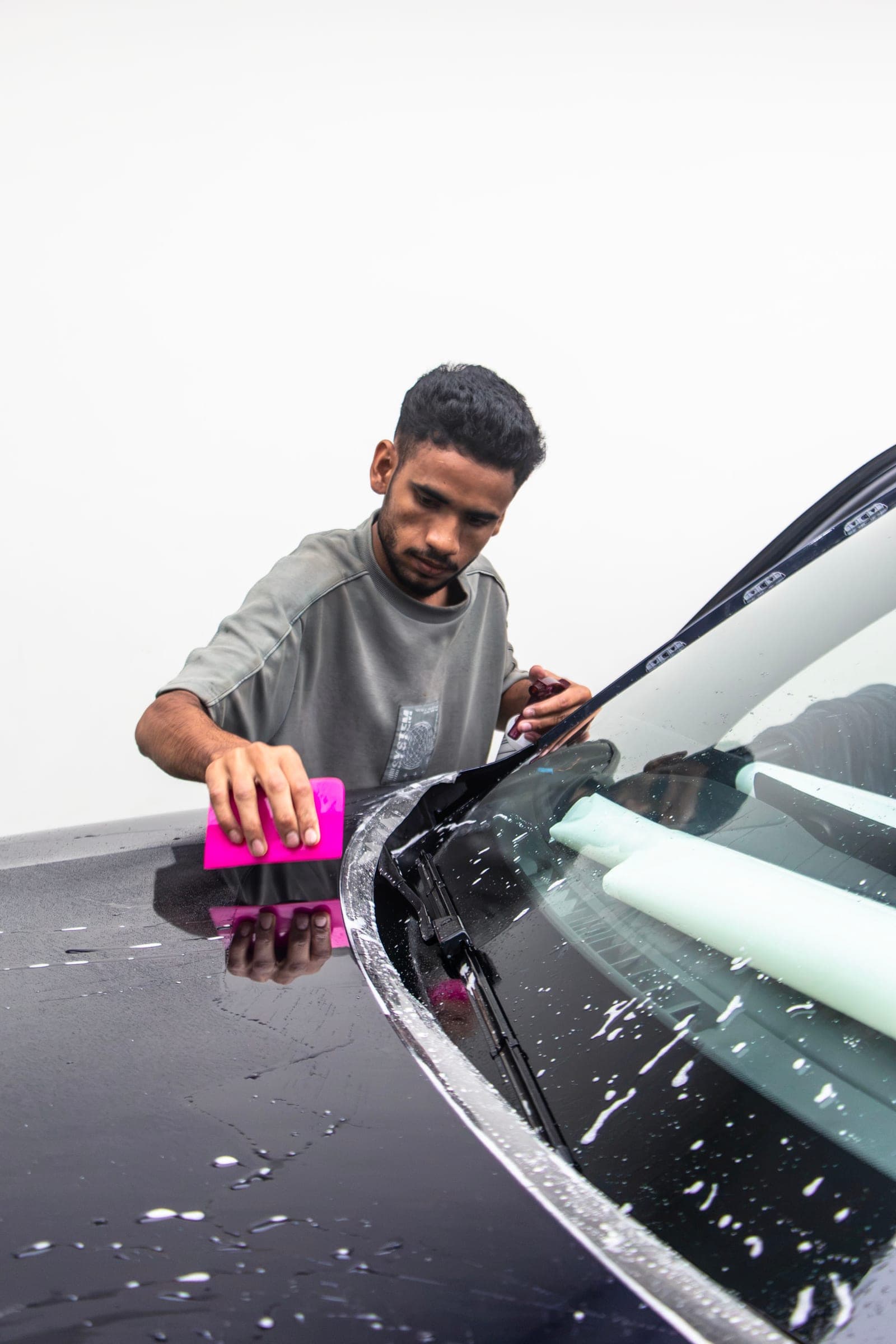
PPF installation is sensitive to preparation, light and airborne contamination. The bay is set up so defects show before they are locked under film.
Front bumper, full bonnet, front wings, mirrors and the other high-impact front surfaces of the car.
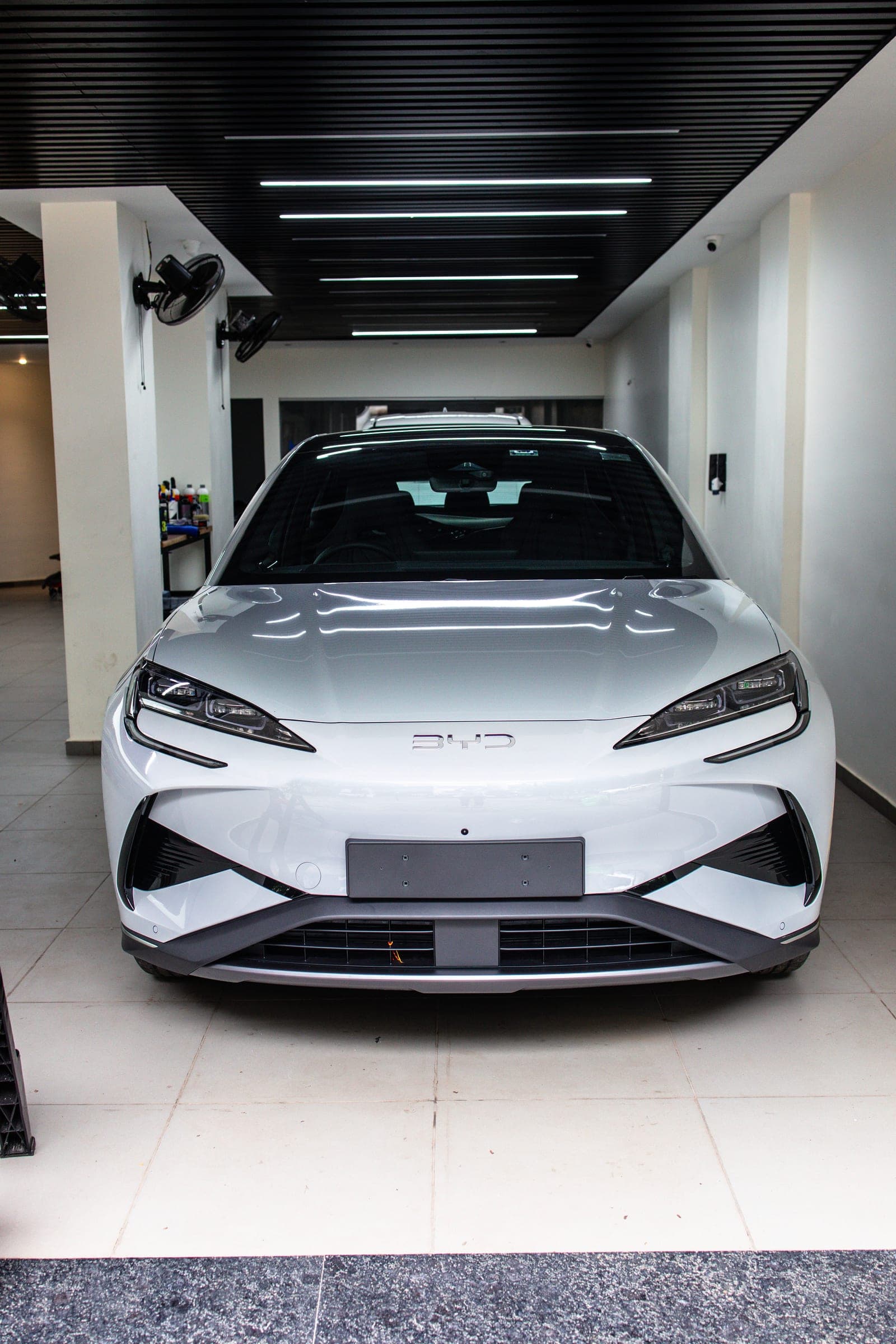
Full Front plus leading edges such as A-pillars, the roof's front edge, sills and rear-arch impact zones, where the car calls for it.
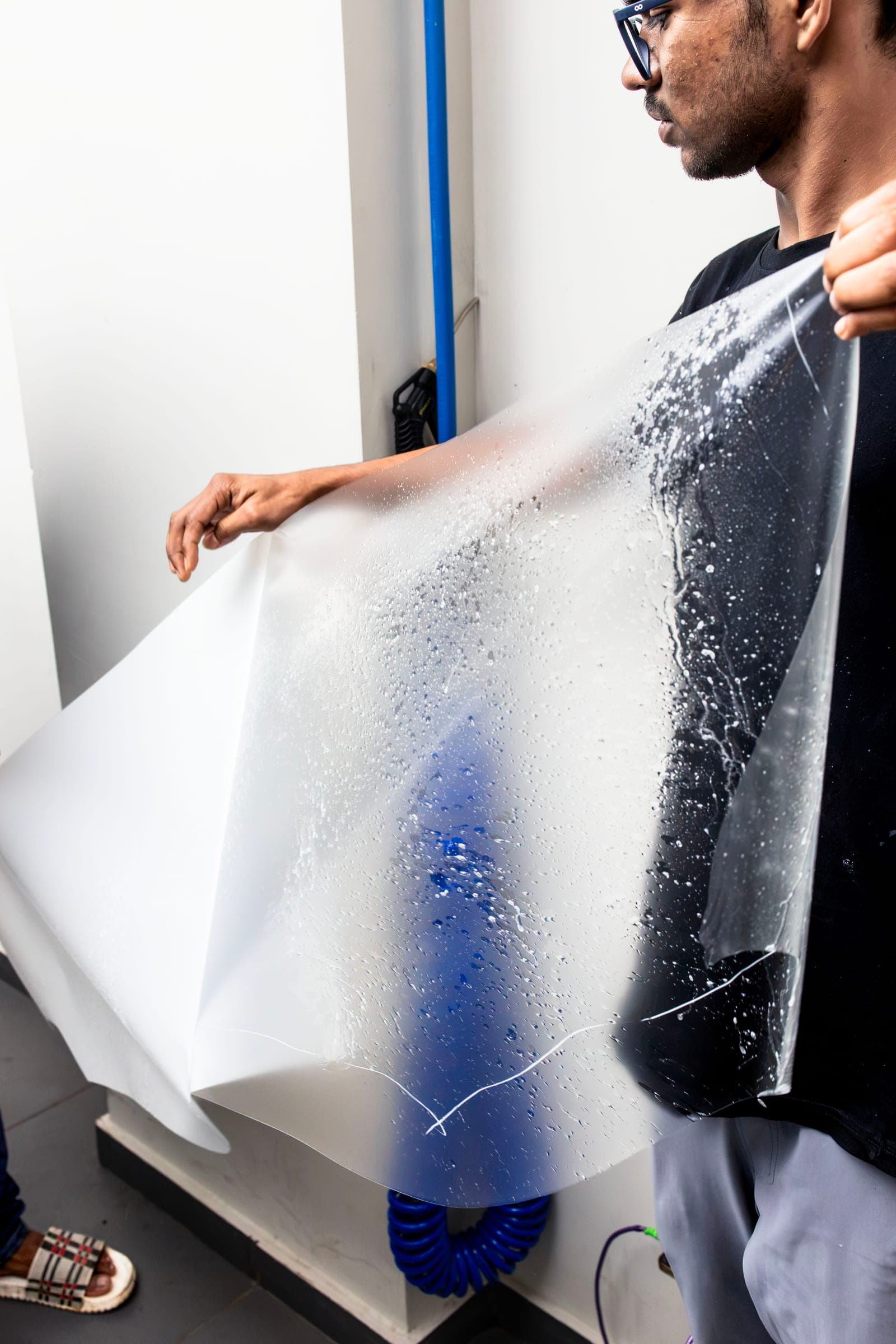
Every suitable painted panel, for consistent protection and even ageing across the car.
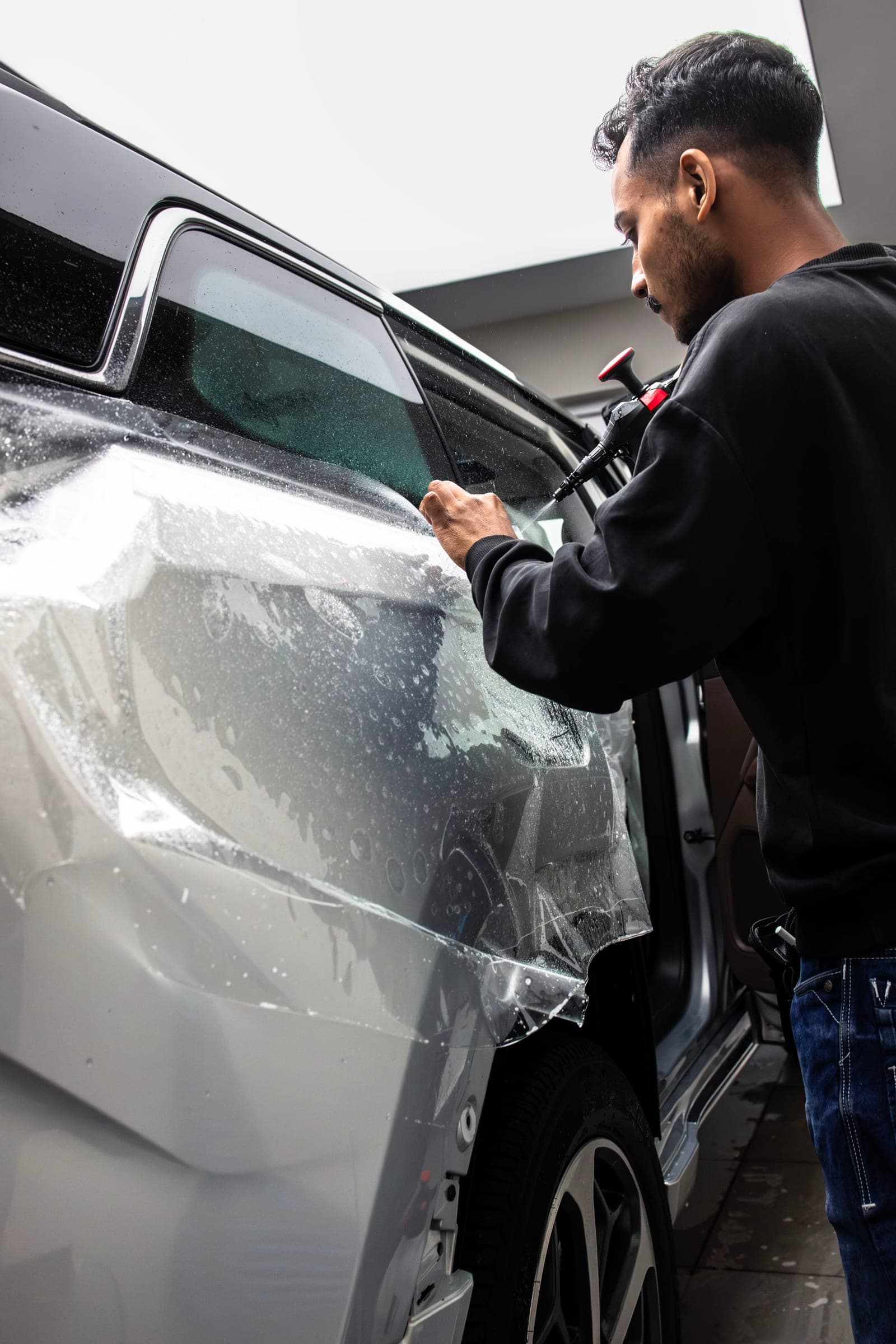
Gloss-black trim, carbon fibre, interior panels or model-specific impact areas, where film is technically suitable.
Product warranty and installation workmanship are explained separately. Manufacturer warranty terms vary by film and normally cover defined product failures, not collision damage, misuse, normal wear or every form of contamination.
Professional removal from sound factory paint is the intended use case for PPF. Repainted, smart-repaired or poorly bonded paint carries a higher risk of paint or clear-coat lift during removal, so known repairs are documented and discussed before installation.
Ask to see the warranty terms for the exact film recommended for your car.
For the initial cure period given at handover, don't wash the car or disturb film edges. After that, care for PPF as a sensitive exterior surface, not indestructible plastic.
A replaceable layer that takes the wear first.
No single film suits every surface, finish or way of driving. Before installation you'll know the exact manufacturer and product we recommend, its finish, published thickness, warranty terms and why it suits your car.
No. PPF is sacrificial protection that can absorb and disperse a significant amount of impact energy, reducing the likelihood or severity of paint damage. A severe enough strike can still penetrate the film or damage the panel.
No. Nominal thickness is only one specification. Optical clarity, polyurethane formulation, top-coat chemistry, adhesive behaviour, stain resistance, stretch characteristics and installation quality all matter.
On films with a self-healing top coat, heat can let light surface marring and wash marks within that top layer recover. Damage that cuts through the top coat or the film does not simply disappear.
Sometimes, but the condition and adhesion of the repaint must be assessed first. Repainted and smart-repaired surfaces carry more removal risk than sound factory paint.
Quality PPF is designed to come off sound automotive paint when removed professionally and within the product's intended service life. Removal risk increases on weak, previously repaired or repainted surfaces.
Only where required and safe. We don't prescribe a set number of correction stages. The paint is assessed first, and the aim is to improve the surface without removing healthy clear coat unnecessarily.
It can be, provided the coating is compatible with the film. PPF handles physical impact and abrasion; a compatible coating can make it easier to clean and improve water behaviour and contamination resistance.
Full Front targets the areas that take the most road impact. Full Body gives consistent protection across the car and removes transitions between protected and unprotected panels. The recommendation follows how the car is used.
Service life depends on the specific film, exposure, maintenance and installation. We explain the exact manufacturer warranty and aftercare requirements for the film recommended for your car.
It depends on the car, the coverage, the film, the paint's condition and how complex the installation is. We quote after an inspection, so the recommendation and price match your actual car.
We work with films from STEK, Avery Dennison, LLumar, GSWF, Inozetek and Prismax. The film is chosen for the car, the coverage and the finish you want, and we'll explain why we're recommending it.
TPU (thermoplastic polyurethane) is the flexible, durable material that self-healing paint protection films are built on. TPH is a cheaper alternative, typically PVC-based, that is stiffer, less stable over time and more prone to yellowing. We'll tell you exactly what the recommended film is made of.
Quality TPU films with UV-stable top coats are made to resist yellowing. Cheaper films, older formulations, heavy exposure and poor care make it more likely, which is one reason the film is chosen carefully.
If you plan to keep the car, drive often on highways or the expressway, or want the factory paint to stay original, it usually is: film works best before the paint picks up chips. The paint is inspected first, because film seals in whatever is beneath it.
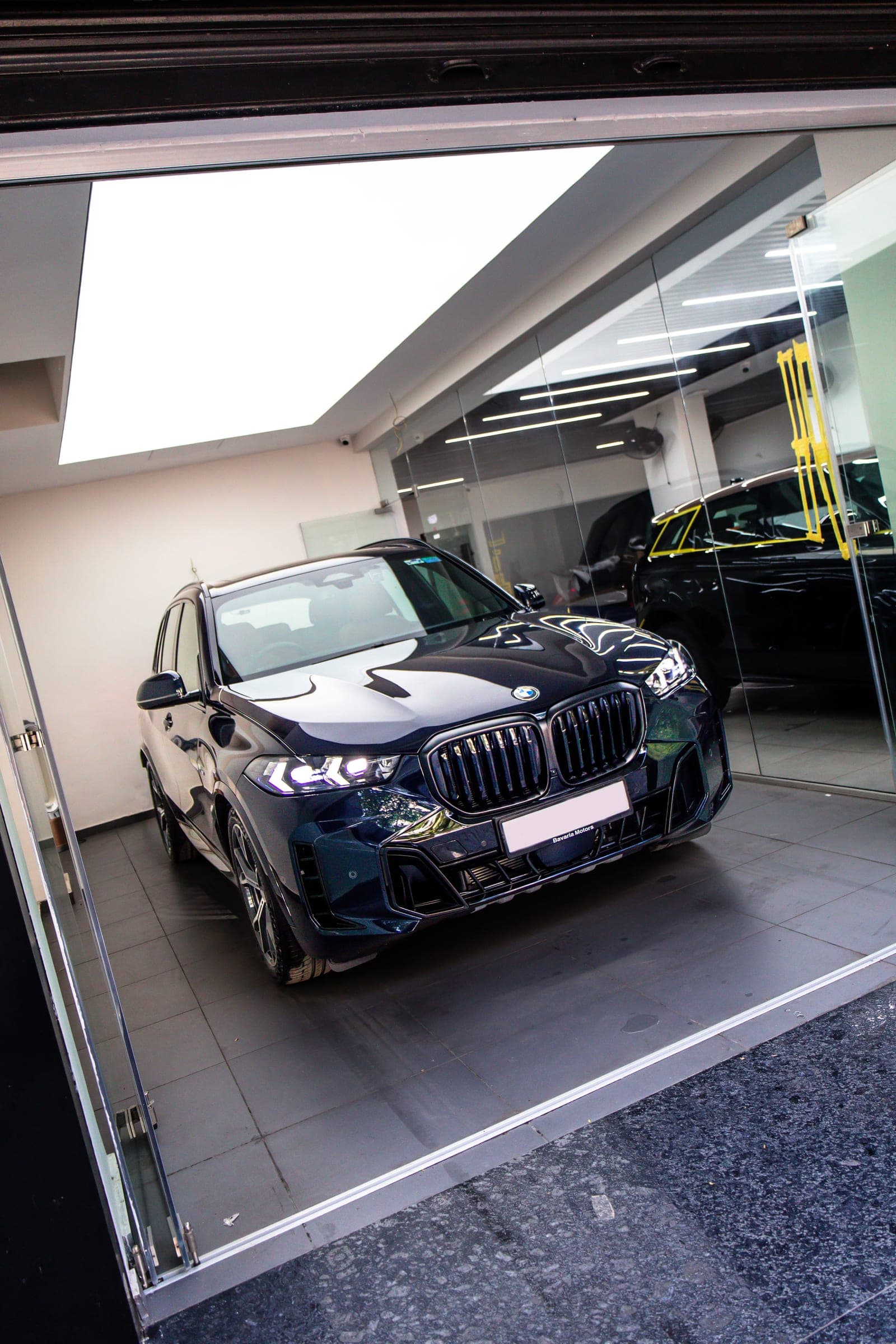
Paint Protection Film, at the studio in Pune, Maharashtra.
We'll inspect the paint under controlled light, understand how the car is used, identify previous repairs and recommend only the coverage and film that make sense for it. You'll know the exact product, scope, warranty and price before work begins.